
Hear from Our Customers
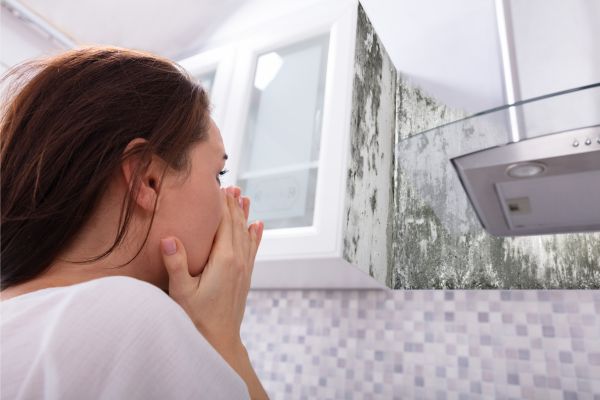
You’re not imagining it. That musty smell in the basement, the allergies that won’t quit, the black spots creeping up the bathroom wall—something’s off, and you need to know what you’re dealing with.
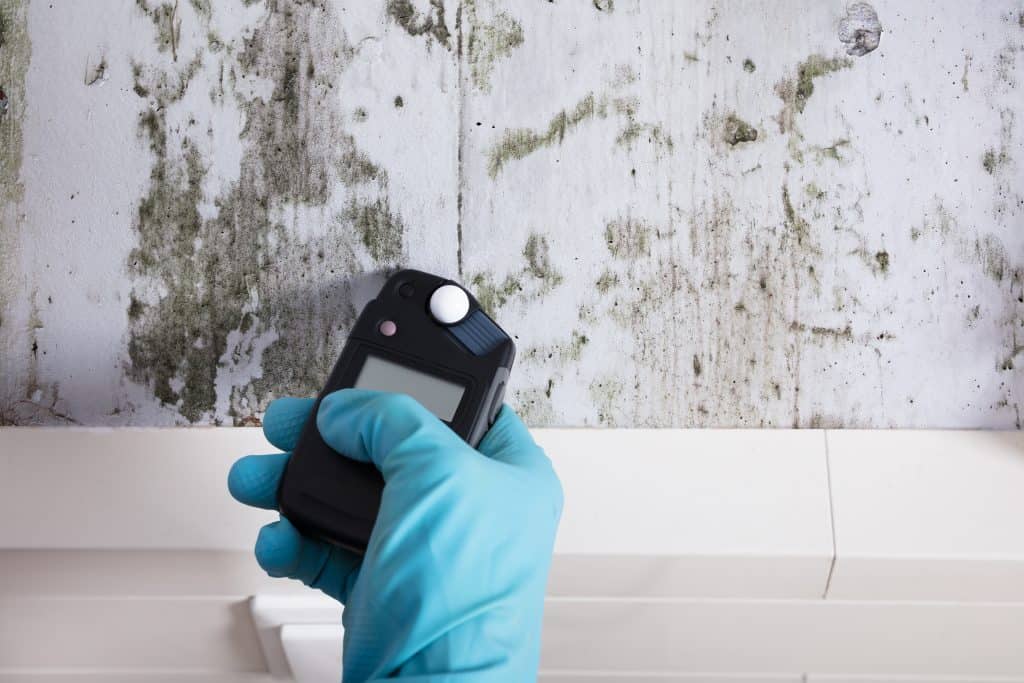
Professional mold testing tells you exactly what’s growing, where it’s hiding, and how much of it you’re breathing. We test the air. We sample surfaces. We check the places you can’t see—behind walls, under floors, in crawl spaces where Bucks County’s humidity does its worst damage.
You get lab results that show the type of mold and the concentration levels. Not a sales pitch. Not a scare tactic. Just the information you need to make a smart decision about your home and your family’s health.
Because here’s the thing about mold in Zionhill—it doesn’t stay small. Our warm, humid summers and damp winters create perfect conditions for rapid growth. What starts as a small patch behind the washing machine can spread through your HVAC system in weeks. Testing catches it early, before it becomes a bigger problem and a bigger bill.
We’ve been testing and treating mold problems across Bucks County for years. We’ve seen what happens in older Zionhill homes with brick basements and poor ventilation. We know how shared walls trap moisture in rowhouses. We understand why your plaster walls stay damp longer than modern drywall.
Our team uses EPA-approved testing methods and sends samples to certified labs for analysis. We’re not here to oversell you on services you don’t need. We test, we report, we recommend next steps—only if they’re actually necessary.
Zionhill homeowners call us because we show up on time, explain things clearly, and don’t treat you like you’re stupid for asking questions. Your home is probably your biggest investment. You deserve straight answers about what’s happening inside it.
First, we walk through your home with you. You show us the problem areas—the spots you can see, the rooms that smell off, the places where you’ve noticed symptoms getting worse. We look at the obvious stuff, then we check the hidden areas where mold loves to grow in Bucks County homes.
We take air samples from multiple rooms to measure mold spore concentrations. We swab or tape-lift samples from suspicious surfaces. If you’ve got a basement (and in Zionhill, you probably do), we pay extra attention there—cool temperatures plus high humidity equals mold heaven.
Samples go to an independent lab for analysis. You get a detailed report within a few days showing what types of mold are present and at what levels. We review the results with you in plain language, explain what they mean for your health and your home, and outline your options.
If you need remediation, we handle that too. If you don’t, we’ll tell you that as well. Some situations just need better ventilation or a dehumidifier. We’re not in the business of fixing problems that don’t exist.
Ready to get started?
Our mold testing includes a thorough visual inspection of your entire home. We’re looking for water damage, condensation problems, ventilation issues—anything that creates conditions for mold growth. In Zionhill, that often means checking basement walls for moisture intrusion, examining attic ventilation, and inspecting bathrooms where humidity builds up.
Air quality testing measures the concentration of mold spores you’re breathing. We test multiple areas because mold doesn’t spread evenly. Your bedroom might be fine while your basement is off the charts. Surface sampling identifies the specific mold species growing on walls, ceilings, or other materials.
You get lab-certified results that show exactly what’s in your home. The report breaks down mold types, concentration levels, and compares your indoor air quality to outdoor baseline levels. High indoor counts mean you’ve got active growth somewhere.
We also document everything for insurance purposes if you need to file a claim. Photos, detailed notes, lab reports—the full package. And because we know Bucks County’s older homes, we can often pinpoint the moisture source that’s feeding the mold growth, whether it’s a foundation crack, a roof leak, or just inadequate ventilation in a 70-year-old house.
Home test kits from the hardware store are cheap, but they’re also pretty limited. They might tell you that mold is present (which you probably already knew), but they won’t tell you what type, how much, or where it’s actually growing.
Professional testing uses calibrated equipment to measure spore concentrations in your air. We compare multiple rooms, test at different heights, and send samples to certified labs that can identify specific mold species. That matters because some molds are relatively harmless while others—like black mold—can cause serious respiratory problems.
The bigger issue is that DIY kits can’t find hidden mold. They only test what’s right in front of them. We check inside walls, under flooring, in HVAC systems—places where Bucks County’s humidity causes mold to grow out of sight. If you’re experiencing symptoms but can’t see obvious mold, professional testing is the only way to get real answers.
The actual testing appointment usually takes 1-2 hours depending on your home’s size and the number of areas we need to check. We’re not rushing through it. We’re being thorough.
During that visit, we do the visual inspection, take air samples, collect surface samples, and document everything. You can ask questions while we work. Most homeowners want to understand what we’re finding and why we’re testing certain areas.
Lab results typically come back within 3-5 business days. The lab is analyzing your samples to identify mold species and count spore concentrations. Once we get the report, we schedule a follow-up call or meeting to review the findings with you. We’ll explain what the numbers mean, whether you have a problem that needs remediation, and what your options are. You’re not waiting weeks for answers—this moves quickly.
Bucks County’s climate creates ideal conditions for several mold types. Cladosporium and Penicillium are the most common—they grow on damp surfaces and in areas with poor air circulation. You’ll often find them in bathrooms, basements, and around windows where condensation builds up.
Aspergillus is another frequent visitor, especially in homes with water damage or high humidity. It grows on dust, insulation, and paper products. If you’ve got boxes stored in a damp basement, there’s a good chance Aspergillus is growing on them.
Stachybotrys—black mold—is less common but more concerning. It needs sustained moisture to grow, so you typically see it after water damage that wasn’t properly dried within 48 hours. It grows on cellulose materials like drywall, wood, and ceiling tiles. Black mold produces mycotoxins that can cause respiratory issues, headaches, and fatigue, especially in children and people with existing sensitivities. If you see black, slimy-looking growth on your walls, that’s when you call us immediately.
Yes, but with context. Testing shows you what’s growing and at what concentration levels. If your indoor mold spore counts are significantly higher than outdoor levels, you’ve got active growth that needs to be addressed.
The lab report gives us the data. Our job is to interpret it for your specific situation. Elevated levels of allergenic molds might require remediation if someone in your home has asthma or respiratory sensitivities. Lower levels might just need improved ventilation and humidity control.
We’ll also tell you if remediation isn’t necessary. Sometimes testing reveals that your indoor air quality is actually fine, and what you’re experiencing is seasonal allergies or outdoor mold coming in through open windows. We’re not going to recommend a $5,000 remediation job if you just need a $200 dehumidifier. The testing gives us—and you—the information to make a smart decision based on facts, not fear.
Absolutely. Insurance companies want documentation before they’ll approve mold-related claims. Our professional testing provides the lab-certified evidence they require.
We document the extent of contamination, identify the mold species present, and provide detailed reports with photos and lab analysis. That’s the kind of backup your insurance adjuster needs to see. Without professional testing, you’re just telling them “I think I have mold”—which usually doesn’t get you very far.
Keep in mind that most homeowners insurance covers mold remediation only if it resulted from a covered peril like a burst pipe or storm damage. They typically won’t cover mold from long-term neglect or maintenance issues. But having professional test results strengthens your case either way. We’ve worked with insurance companies throughout Bucks County, and we know how to document findings in a way that supports your claim.
First, don’t panic. Mold is fixable. The test results tell us what we’re dealing with, and from there we can create a remediation plan that actually solves the problem instead of just covering it up.
We’ll identify the moisture source feeding the mold growth—because if you don’t fix that, the mold just comes back. Maybe it’s a foundation crack letting water into your basement. Maybe it’s a bathroom exhaust fan that vents into your attic instead of outside. Maybe it’s just Bucks County humidity and a house that needs better ventilation.
Once we’ve addressed the moisture issue, we remove the contaminated materials using EPA-approved methods. We contain the work area so spores don’t spread to clean parts of your home. We use HEPA filtration to clean the air. Then we treat affected surfaces and verify the remediation was successful with post-testing.
The whole process is designed to eliminate the mold and prevent it from returning. We keep you informed at every step, and we don’t consider the job done until your home’s air quality is back to safe levels. Most remediation projects in Zionhill homes take 3-5 days depending on the extent of contamination, and you can usually stay in your home during the work if we’re containing the area properly.
Other Services we provide in Zionhill